TL;DR: Most picky eating is a normal part of growing up (meaning you didn't cause it!) Some kids do need more support, especially if they eat a very short list of foods, gag or panic around new foods, or mealtimes are stressful most days. Pushing a child to eat ("just one bite") tends to backfire. Responsive feeding is a calmer approach: you lead on what, when, and where food is served, and your child leads on whether and how much to eat. If you're not sure which bucket your kid is in, talking to a feeding specialist can help.

It's 11 p.m. and you're Googling "why won't my kid eat anything"
If you've typed something like "my kid only eats five foods" into a search bar, you are in very good company. Picky eating is one of the top things parents ask about at doctor visits. Depending on how researchers count it, somewhere between 14% and 50% of preschoolers get called picky by their parents at some point.
Here's what I want you to hear me loud and clear about: this isn't about something you did wrong. Feeding specialists who work with kids every day say parents don't typically cause picky eating. Kids come with their own sensory wiring, appetite, and temperament. And wariness of new foods often shows up between 18 months and 2 years. It's built into our kids.
On a more personal note - this is something I have struggled with myself as a parent. When my daughter started drastically cutting out foods as a toddler, I felt my mom heart panic. I wondered what I had done wrong, and thought it was in my ultimate control to “fix” it. Spoiler alert - she was later diagnosed with ARFID and we had a long road to learning what that meant.
Still, common doesn't mean easy. Mealtimes can feel like the absolute hardest part of the day. Maybe you're worried about nutrition, tired of cooking three different dinners, or fielding comments from grandparents. Wanting answers makes total sense.
This post walks through the questions parents ask most, how to tell typical picky eating from something that needs more support, and an approach called Responsive Feeding, which is at the heart of how I work with families.
The questions parents are actually Googling (with plain answers)
"Is my child's picky eating normal?" Sometimes! Picky eating tends to peak in the toddler and preschool years. Loving just a couple of foods or not wanting foods to touch on the plate are both very common.
"How many foods is too few?" There's no magic number (even if diet culture tells you otherwise). It can be more helpful to take a look at if your child is getting enough overall, and that might be hard to figure out on your own and would be helpful to get professional intervention. If you're counting foods in your head at night, that's worth a conversation.
"My toddler used to eat everything. What happened?" This is one of the most common stories parents tell. Growth slows after infancy, so appetite often dips. Kids also start wanting more say in everything, including food. It can feel sudden, but it's a very typical shift.
"Should I make a separate meal?" Most feeding experts suggest you don't have to become a short-order cook. A gentler middle path is to put at least one food your child usually accepts on the table at every meal, next to the rest of the family's food. That way they're not stuck with nothing (which is not a great or helpful plan), and you're not cooking a second dinner.
"Should I make them take one bite?" It's the advice many of us grew up with, so it's a natural place to start. But research links pressure to eat with more picky eating, not less. We'll get into why below.
"How many times does a child need to try a new food?" You'll see numbers anywhere from 10 to 60 tries online. That range tells us nobody knows the exact count. There are some kids that do well and feel calm about multiple exposures to foods, and other kids where this can cause more stress and anxiety.
"Are they getting enough nutrition?" Most picky eaters get what they need over time. Your pediatrician can check growth on a growth chart, which is the most reliable way to know, or you can consult with a Registered Dietitian who can take a look at what your kid is getting overall.
Signs it might be more than picky eating
Typical picky eating is frustrating, but kids usually still have a decent range of foods, a stable appetite, and there isn’t much impact on the rest of their life. It may be time to ask for more support if you notice things like:
Your child eats a very short list of foods, or the list keeps shrinking
They avoid whole food groups
They gag, vomit, or panic when they try new foods (or even when they see them)
Most meals are stressful, for your child, for you, or for both
They only accept one brand or one restaurant's version of a food
They seem scared of choking or throwing up
They show little interest in eating at all
Growth has slowed or dropped off their usual curve
A few of these showing up doesn't mean something is wrong with your child. It means your family deserves more support than a list of tips.
So what is ARFID?
ARFID stands for avoidant/restrictive food intake disorder. It's a recognized eating disorder, but it's main symptom is not about body image or weight (but let’s be clear - kids are growing up with the same societal talk about bodies, so we can’t count out the fact that a kid with ARFID might also have thoughts about their body). Kids with ARFID eat a very small amount or a very narrow range of foods, and it affects their nutrition, growth, or daily life. Researchers estimate it affects somewhere between 0.5% and 5% of people.
It tends to show up in a few ways, and a child can have more than one: strong sensory reactions to taste, texture, smell, or color; fear of something bad happening, like choking or vomiting; or low interest in food and eating overall.
The tricky part is that ARFID can look a lot like picky eating from the outside. Not all picky eating is ARFID, and ARFID isn't "just picky." A diagnosis takes a proper evaluation, and you don't need one to ask for help. It's also a good idea to loop in your pediatrician to rule out medical causes, like allergies or reflux.
Not sure which bucket your kid is in?
That's exactly what a consult is for. We'll talk through what meals look like right now, what you've already tried, and what feels hardest. Then we'll figure out together what kind of support makes sense.
Why "just one more bite" tends to backfire, and what Responsive Feeding is
Pressure at the table can look like a lot of things: "just one bite," praise for cleaning the plate, dessert as a reward, dessert taken away, constant reminders to eat, or even celebrating “good” food behavior. Almost every parent has done some of this. It comes from love and worry, and it's often what we were taught.
The research just doesn't back it up. Studies link pressure to eat with more picky eating and more food refusal, and feeding experts note that forcing kids to eat usually leads to them eating less in the long term. Either way, pressure rarely gets us where we want to go, and it makes meals tense for everyone.
Responsive feeding is a different way to think about it. It's built on a simple split of jobs:
You decide what is served, when, and where.
Your child decides whether to eat it and how much.
The "responsive" part is that you pay close attention to your child, notice their cues, and respond with warmth. Is your child hungry? Done? Scared of the food? Overwhelmed? Instead of trying to get food into them, you're creating an environment where they can build trust with food at their own pace.
To be clear, Responsive Feeding isn't a free-for-all or "let them eat cookies for dinner." There's real structure. You're just handing the eating part back to your child.
What Responsive Feeding can look like at your table
These are starting points, not a fix-it plan. You don't need to do all of them at once, and your individual family might need other strategies as well.
Set the rhythm, then let go of the outcome. Offer meals and snacks at fairly regular times, and keep grazing and constant drinks between them to a minimum. A hungry kid at the table is a more curious kid.
Always include a safe food. Put at least one food your child usually eats on the table at every meal, alongside the other foods. Serve family-style when you can, so your child can pick what goes on their plate (meaning you let them serve themselves!)
Eat together when you can. It doesn't have to be fancy or every night. Kids learn a lot just by watching you eat and enjoy your food.
Keep new foods low-stakes. A tiny amount on the table, no commentary, no "try it for me." Skip the pressure at all costs.
Skip the bargaining. Bribes, "three more bites," and clean-plate praise all add pressure, even the nice-sounding kind. Try neutral talk about the food instead, like "this one's crunchy."
Watch for the why. If your child refuses, ask yourself what's going on. Are they full? Tired? Overwhelmed by the smell? Scared? Responding to what you see works better than responding to the refusal.
Take care of your own worry. Kids pick up on our stress at the table, and it's hard to stay calm when you're worried your child isn't eating enough. This is the part I love working on with parents, because it's very hard to feed well while white-knuckling through dinner.
One honest note: if your child shows several of the signs above, tips like these on their own may not be enough. That's not a failure on your part. It just means your child needs a plan built around them.
What a consult looks like (and what happens next)
A consult is a low-pressure conversation, and it's with you, the parent. Your child doesn't need to be there. We'll talk about what mealtimes look like now, what you've tried, and what worries you most. From there, we'll sort out what makes sense: coaching around responsive feeding, SPACE (a parent-based approach, especially helpful when anxiety or avoidance is part of the picture), or a referral to a pediatrician, OT, or dietitian. If your child needs more than I can offer, I will refer you to someone I trust.
Wrapping up
Here's the big picture. Picky eating is common, and it's not your fault. Some kids need more than patience and a few tips, and noticing that early is a strength, not an overreaction. Whatever is going on at your table, pressure usually makes it harder. Responsive feeding gives you a calmer path, helping you drop the meal time struggle, make sure your kid is getting what they need to thrive, and feel confident that you know how to navigate this challenge.
Mealtimes don't have to feel like a battle. You don't need to have all the answers before you reach out, and you don't have to wait until things are "bad enough." If you're seeing some of the signs above, or you're just tired and worried and want someone in your corner, I'd love to help.
I see families in person in Carrollwood (North Tampa) and virtually throughout Florida, North Carolina, and Vermont.
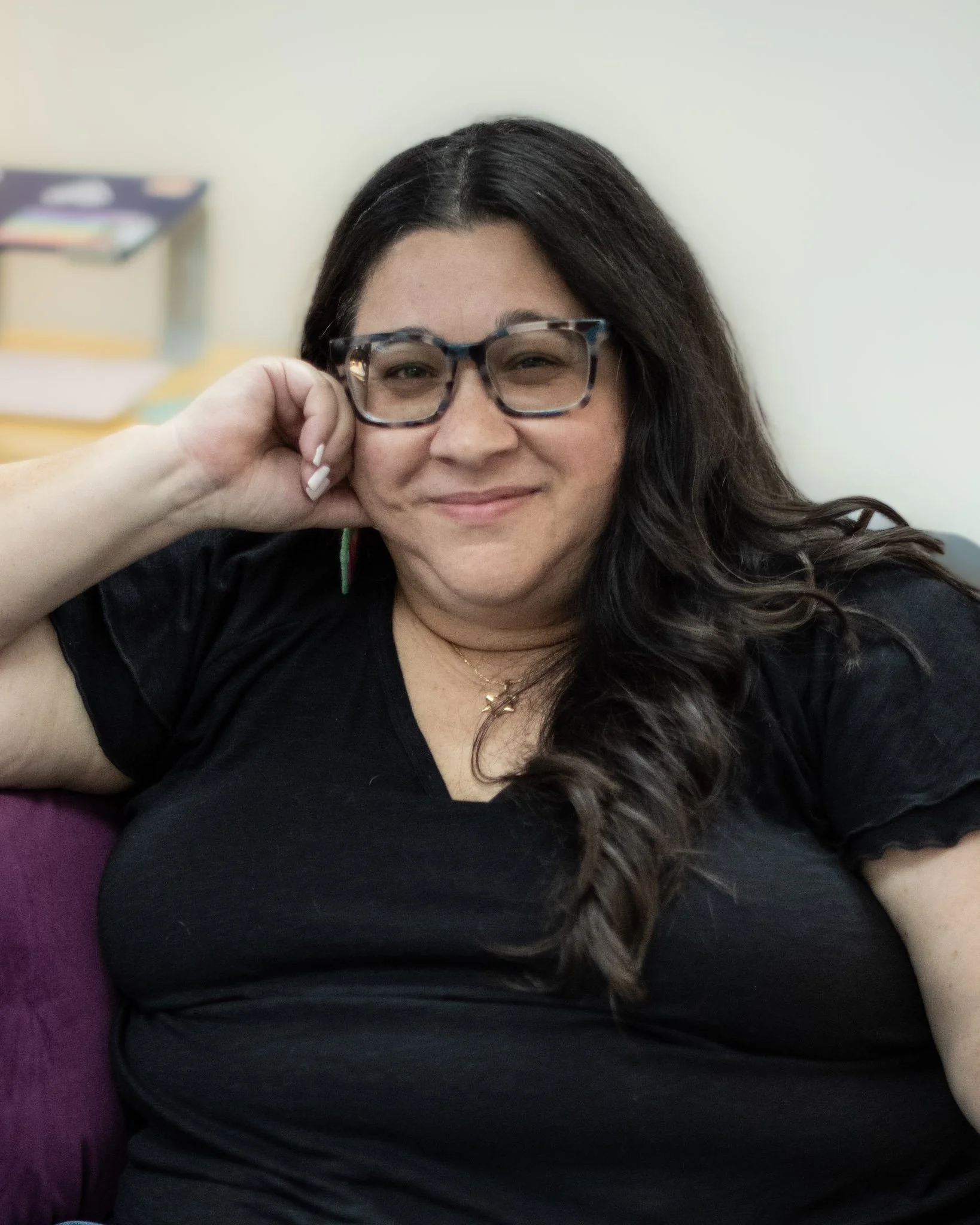
About the Author
Keri Baker, LCSW, is a therapist in Carrollwood (North Tampa), Florida. She supports parents of kids with picky eating and ARFID using Responsive Feeding Therapy (trained through Feeding Matters) and SPACE, including specialty training in SPACE for ARFID and picky eating. She also works with adults on their relationship with food and their bodies. Her practice is weight-inclusive, trauma-informed, neurodivergent-affirming, and LGBTQIA+-affirming.
Therapy in Tampa, FL
Services are also offered virtually throughout Florida, North Carolina and Vermont